

What is the Difference between Beauty Marks And Freckles: Unveiling the Mysteries
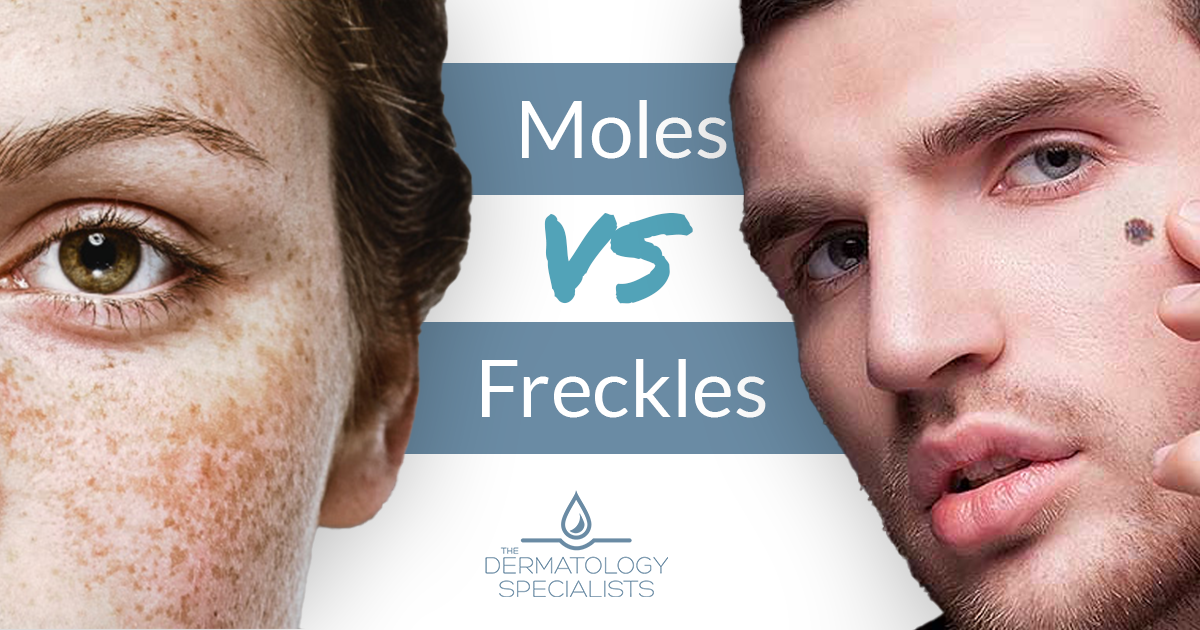
Beauty marks and freckles are both types of skin pigmentation, but they differ in appearance and cause. Beauty marks are dark, raised spots that can vary in size and shape, often present from birth or appearing later in life.
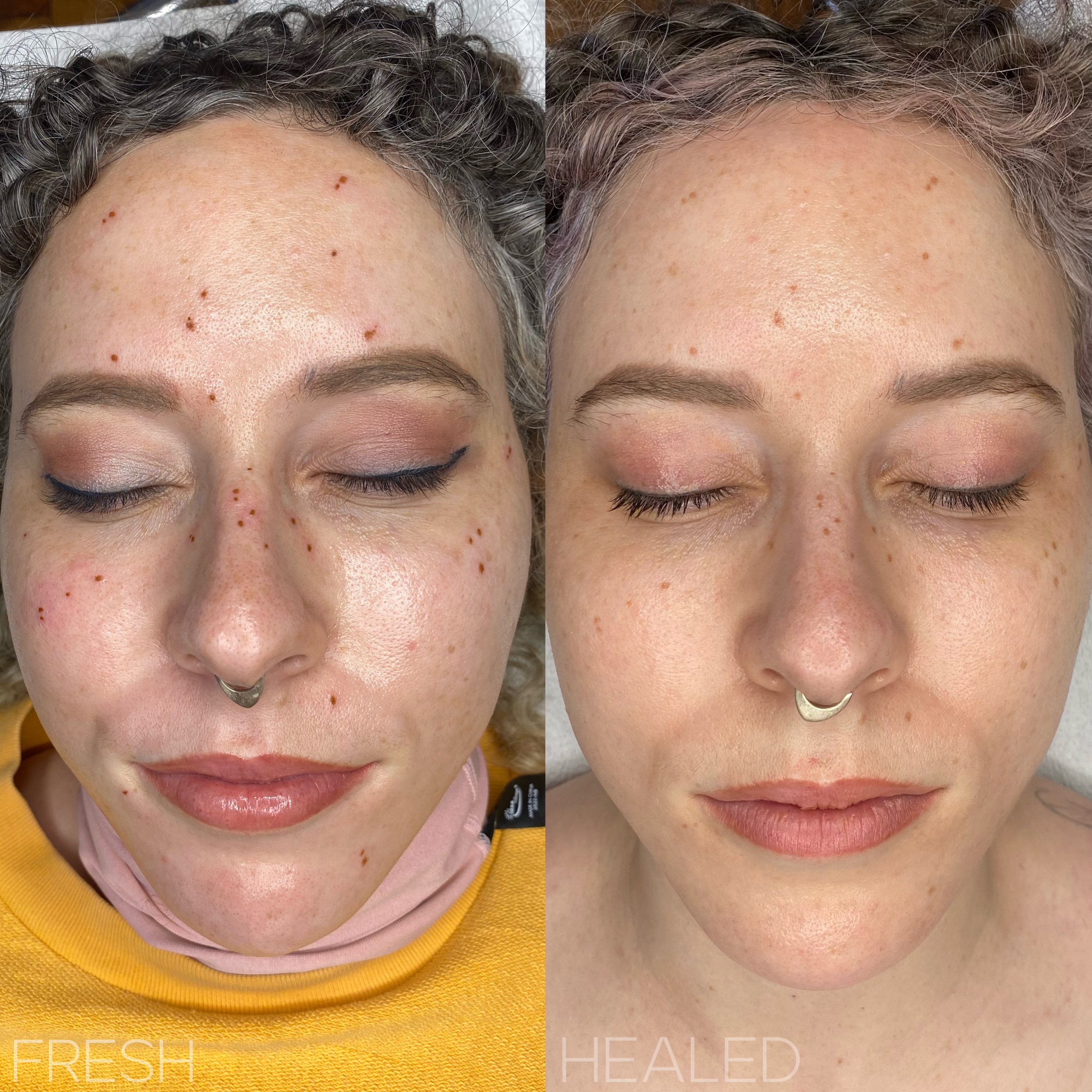
On the other hand, freckles are small, flat, light brown spots that usually appear during childhood and become more prominent with sun exposure. While beauty marks are caused by an accumulation of pigment-producing cells in a concentrated area, freckles are the result of an increased production of melanin in certain skin cells.
Credit: www.thedermspecs.com
Unraveling The Mystery
Are those beauty marks on your face freckles or something entirely different? Let’s dive into clarifying the distinctions for you.
Exploring The Origins:
Beauty marks, also known as moles, originate from a concentration of melanin in one spot on the skin. Freckles, on the other hand, are typically clusters of melanin distributed across the skin surface.
Understanding The Genetic Factors:
Beauty marks can be inherited genetically and are often permanent, while freckles are usually triggered by exposure to sunlight.
Credit: www.sakileetattoo.com
Distinguishing Characteristics
Beauty marks and freckles are both natural skin phenomena, but they have distinguishing characteristics. Beauty marks, also known as moles, are usually darker in color and can vary in size and shape. Freckles, on the other hand, are small, light brown spots that appear on the skin due to sun exposure.
Color And Size
Beauty marks are usually darker and larger than freckles.
Distribution Patterns
- Beauty marks are often singular and are more randomly placed on the skin.
- Freckles tend to appear in clusters or groups, usually on areas exposed to the sun.
Beauty Marks
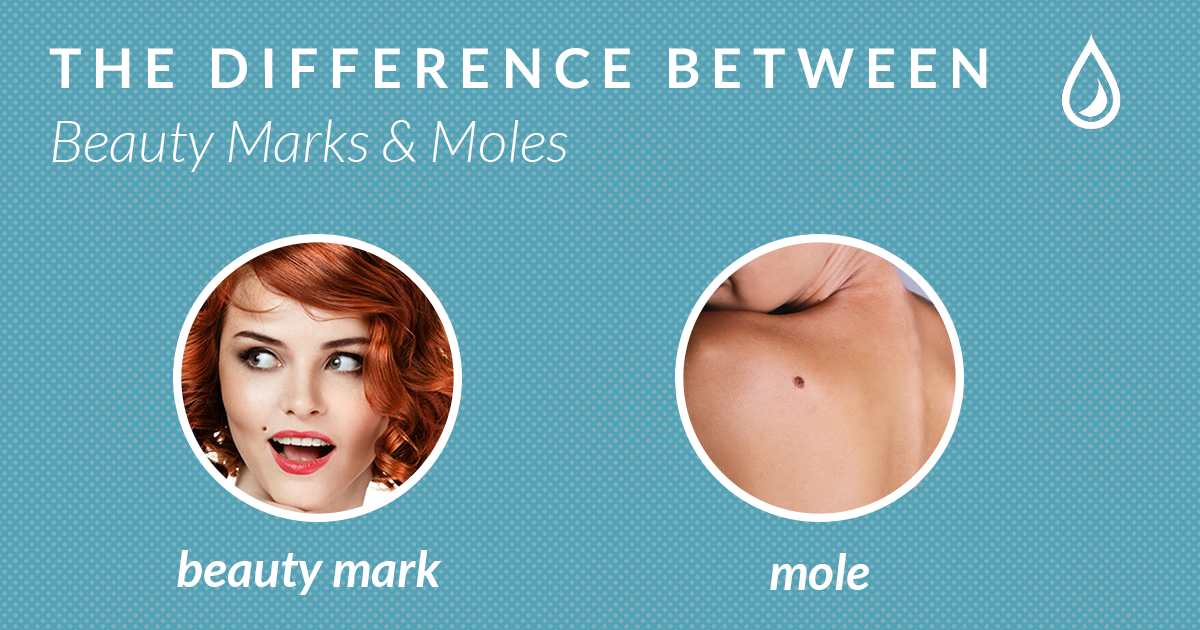
Beauty marks, often referred to as beauty spots or moles, are small, dark-colored spots on the skin that can add a unique touch to a person’s appearance. These marks are often considered attractive and viewed as a symbol of individual beauty. Although beauty marks and freckles are both skin pigmentation issues, they are distinct from each other in various ways. Let’s delve into the specifics of beauty marks and explore the development and formation as well as the myths and cultural significance associated with them.
Development And Formation
Beauty marks, also known as nevi, develop when melanocytes (the cells responsible for skin pigmentation) form in clusters rather than spreading evenly across the skin. These clusters result in the formation of small, concentrated spots, often varying in color and size. While some people are born with beauty marks, others can develop them during childhood or later in life. Additionally, exposure to sunlight and hormonal changes can impact the development of beauty marks, leading to changes in their appearance over time.
Myths And Cultural Significance
Beauty marks have been associated with various myths and cultural significances throughout history. In some cultures, beauty marks are considered a symbol of attractiveness and are even artificially created to enhance facial features. Additionally, they have been portrayed as a symbol of elegance and beauty in art and literature. However, it’s important to note that the perception and significance of beauty marks can vary across different cultures and time periods, with some societies attaching specific meanings to the placement and number of beauty marks on an individual’s body.
Freckles
Freckles and beauty marks are similar but have distinct differences. While freckles are small, flat, and usually tan or light brown in color, beauty marks are usually darker and have raised or elevated surfaces.
Biological Triggers
Freckles, those adorable little specks that sprinkle across our faces, are actually a result of biological triggers. These triggers are responsible for the production and distribution of melanin in the skin. Melanin is the pigment that gives color to our skin, hair, and eyes. In the case of freckles, there is an uneven distribution of melanin that leads to the formation of these charming spots.
It’s important to note that freckles are not present at birth, but rather develop over time. They usually start to appear around the age of two or three, and become more noticeable during childhood and adolescence. Freckles can range in color, from light tan to reddish-brown, and can vary in size and shape as well.
Role Of Sun Exposure
Sun exposure plays a significant role in the appearance of freckles. When our skin is exposed to the sun, the ultraviolet (UV) rays stimulate the production of melanin. In individuals with a genetic predisposition to freckles, this increased melanin production is concentrated in certain areas, resulting in freckles.
It’s important to mention that freckles are not indicative of sun damage or skin cancer, unlike other skin blemishes. Freckles are generally harmless, although it’s still essential to protect your skin from excessive sun exposure to prevent other sun-related issues, such as sunburn or skin cancer.
While it’s impossible to completely avoid the sun, there are steps you can take to reduce the appearance of freckles or prevent their further development. Using a broad-spectrum sunscreen with a high sun protection factor (SPF) is crucial, as well as seeking shade during peak sun hours and wearing protective clothing, such as hats and long sleeves.
Additionally, it’s worth mentioning that freckles may fade or become less prominent with age or during the winter months when there is less sun exposure. However, they tend to darken or become more noticeable during the summer months when we spend more time outdoors.
Understanding the biological triggers and the role of sun exposure can help us appreciate the uniqueness of freckles and how they contribute to our individual beauty. Whether you have a few or are blessed with a plethora of freckles, these adorable spots add character and charm to our faces, making each of us truly one-of-a-kind.
Medical Perspectives
Beauty marks and freckles are both skin pigmentation, but they differ in their size, color, and how they are formed. Beauty marks are larger, usually darker, and are more defined than freckles, which are smaller, lighter, and caused by sun exposure.
Understanding these differences can help in proper skin care and monitoring for any changes.
If you’ve ever wondered about the difference between beauty marks and freckles, understanding the medical perspectives can shed some light. Let’s explore the associated health risks and diagnostic differentiation to distinguish between the two.Associated Health Risks
Beauty marks are usually harmless, but monitoring any changes in size or shape is essential. Freckles, on the other hand, pose no health risks.Diagnostic Differentiation
Beauty marks are usually raised and darker than freckles. Consulting a dermatologist for proper assessment is crucial. In conclusion, while beauty marks and freckles may appear similar, understanding their medical perspectives can help in identifying any potential concerns. Remember, regular monitoring and seeking professional advice is key.Cosmetic Considerations
Beauty marks and freckles are natural skin features that can influence an individual’s appearance. Understanding the differences between the two can be helpful when considering cosmetic treatments or when discussing beauty standards.
Treatment Options
Beauty marks are often darker, more prominent, and can vary in size, while freckles tend to be lighter and more dispersed across the skin. Dermatological treatments such as laser therapy or surgical excision are available options for individuals who wish to remove or reduce the appearance of beauty marks. On the other hand, freckles are generally more challenging to remove, and treatment options may include topical treatments, chemical peels, or laser therapy to lighten their appearance.
Impact On Beauty Standards
The beauty industry often celebrates clear, blemish-free skin, which may lead individuals to seek treatments to alter the appearance of their beauty marks and freckles. Cultural and societal beauty standards can influence perceptions of skin features, potentially leading to an increase in demand for cosmetic procedures. It is important to recognize and celebrate the natural diversity of skin features to promote a broader acceptance of beauty.
Psychological Impact
Psychological Impact:
Perceptions And Stereotypes
Beauty marks and freckles may lead to different perceptions and stereotypes.
- Some view beauty marks as attractive and unique.
- Freckles are sometimes associated with youthfulness and innocence.
Self-acceptance And Empowerment
Embracing natural features like beauty marks and freckles can promote self-acceptance and empowerment.
- It encourages individuals to embrace their uniqueness.
- Feeling confident in one’s skin can lead to empowerment.
Credit: www.thedermspecs.com
Conclusion
In summation, although beauty marks and freckles are often used interchangeably, they have subtle yet significant differences. Understanding these distinctions can enhance our appreciation for the uniqueness of each individual’s skin. By recognizing the beauty in diversity, we can embrace and celebrate the varying characteristics that make us all wonderfully unique.


