

Unlocking the Power of Beauty: The Significance in a Thing of Beauty
Beauty in a Thing of Beauty signifies its ability to ignite aesthetic pleasure and appreciation. A Thing of Beauty exudes inherent attractiveness that captivates and enchants observers, stimulating a profound admiration for its visual appeal and poetic qualities.
Immersed in its presence, one encounters a profound sense of joy, awe, and inspiration, which transcends the ordinary and connects us with the sublime. The significance of beauty lies in its power to elevate and enrich human experience, nurturing the soul, encouraging creativity, and engendering a deep appreciation for the wonders of the world.
Exploring the multifaceted dimensions of beauty allows us to unlock the full potential of our emotions and intellect, fostering a harmonious connection between the inner self and the external world. Hence, the significance of beauty in a Thing of Beauty is profound and transformative.

Credit: ablackbirdsang.com
The Power Of Beauty
Beauty holds great significance in a thing of beauty, as it captivates and evokes profound emotions. Its power lies in its ability to inspire, uplift, and create a deep connection between individuals and the world around them. Embracing beauty fosters a sense of appreciation, wonder, and harmony, enhancing our overall well-being and enriching our lives.
The Power of Beauty Beauty holds a significant place in our lives, affecting not only our perception but also our emotional well-being. The impact of beauty on human perception and its contribution to emotional wellness cannot be underestimated.The Impact Of Beauty On Human Perception
The Impact of Beauty on Human Perception can be profound. Beautiful surroundings, objects, or experiences can influence how we perceive our environment, impacting our mood and overall well-being. When in the presence of beauty, our brains release feel-good neurotransmitters, leading to a more positive mindset and enhanced cognitive abilities.The Role Of Beauty In Emotional Well-being
Beauty plays a pivotal role in emotional well-being. It has the potential to uplift our spirits, instill a sense of calm, and reduce stress and anxiety. Additionally, embracing beauty in our surroundings can foster a sense of gratitude and contentment, contributing to improved mental and emotional health. In conclusion, the power of beauty extends beyond aesthetics, significantly impacting human perception and emotional well-being.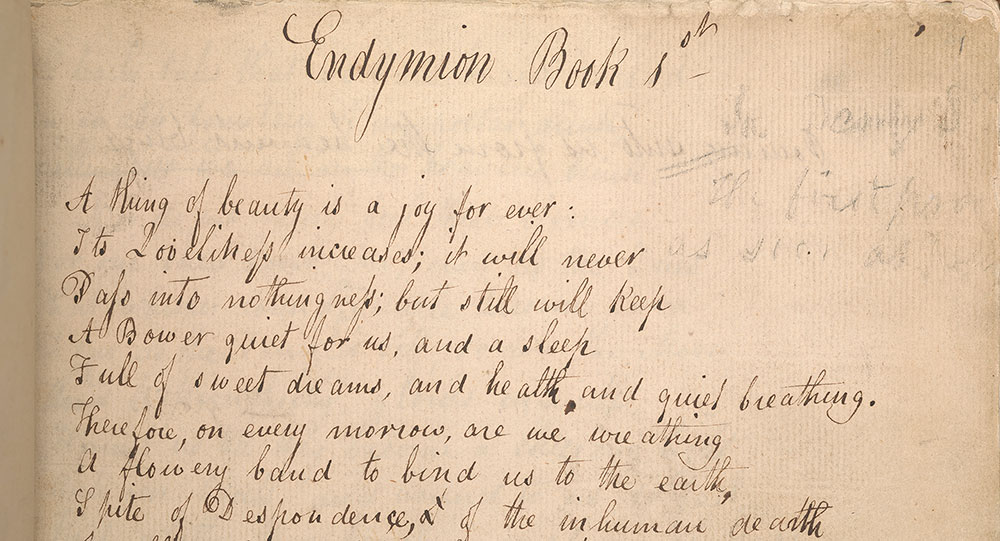
Credit: www.themorgan.org
Beauty Across Cultures
Beauty, often referred to as a thing of beauty, holds profound significance across cultures. The concept of beauty transcends geographical and cultural boundaries, shaping diverse perspectives on aesthetics. Understanding beauty across cultures sheds light on the complex interplay of different traditions, beliefs, and values.
Diverse Perspectives On Beauty
Beauty is not confined to a single definition but manifests in various forms, driven by cultural influences. Different cultures resonate with unique notions of beauty, which are manifested in art, architecture, fashion, and rituals. From the vibrant colors of Indian saris to the understated elegance of Japanese tea ceremonies, each culture reflects its unique interpretation of beauty.
Cross-cultural Understanding Of Aesthetics
The appreciation of beauty varies widely across cultures, reflecting diverse understandings of aesthetics. While Western culture often prioritizes symmetry and perfection, other cultures embrace imperfection and irregularity as elements of beauty. This cross-cultural exchange of aesthetic values enriches our collective understanding of beauty, fostering an inclusive appreciation for diverse expressions of aesthetics.
Beauty In Art And Literature
Beauty is a concept that transcends time and culture, embodying elements of harmony, balance, and aesthetic pleasure. The significance of beauty in a “Thing of Beauty” lies in its ability to evoke emotions, inspire creativity, and bring joy to those who perceive it.
Depictions Of Beauty In Classic Artworks
Classic artworks from various eras showcase timeless beauty through intricate details and masterful techniques. Iconic paintings like Leonardo da Vinci’s Mona Lisa and Vincent van Gogh’s Starry Night demonstrate the universal appeal of beauty in art.
Themes Of Beauty In Literary Works
From Shakespeare’s sonnets to Jane Austen’s novels, literary works often explore beauty in its multifaceted forms. Themes of love, nature, and the human experience are beautifully woven into the tapestries of words by renowned authors.
Beauty And Self-esteem
In the poem “A Thing of Beauty” by John Keats, the poet emphasizes the significance of beauty in our lives. Beauty has the power to uplift our spirits, inspire creativity, and bring joy to our hearts. Beyond its aesthetic appeal, beauty also plays a crucial role in boosting one’s self-esteem. In this blog post, we will explore the connection between beauty and self-esteem, and how engaging in beauty practices can enhance our sense of self-worth.
The Connection Between Beauty And Confidence
There is a strong link between beauty and confidence. When we feel beautiful, it has a positive impact on our self-esteem and how we perceive ourselves. Looking in the mirror and liking what we see can boost our confidence and make us feel more comfortable in our own skin. When we are confident, we are more likely to take on new challenges, pursue our goals, and interact with others in a positive manner.
Beauty, therefore, plays a crucial role in shaping our self-image and how we present ourselves to the world. When we feel beautiful, we radiate confidence, and this confidence is contagious, attracting others towards us. It creates a ripple effect that can positively impact various aspects of our lives, including our personal relationships, career growth, and overall well-being.
Enhancing Self-esteem Through Beauty Practices
Engaging in beauty practices can be an effective way to enhance our self-esteem. These practices encompass a wide range of activities, from skincare routines to hairstyling, from makeup application to personal grooming. By investing time and effort into these practices, we are, in fact, investing in ourselves – our self-care, self-expression, and self-worth.
When we take care of ourselves and engage in beauty rituals, we send a powerful message to ourselves and others that we value our appearance and well-being. It is not about conforming to societal beauty standards or seeking validation from others; instead, it is about embracing our unique beauty and feeling good about ourselves.
Practicing self-care through beauty can significantly impact our self-esteem. The simple act of pampering ourselves can boost our mood, reduce stress, and improve our overall outlook on life. It allows us to prioritize our own needs and acknowledge our self-worth. By taking the time to be mindful of our appearance, we are reaffirming our belief that we deserve to look and feel our best.
In conclusion, beauty and self-esteem are closely intertwined. Feeling beautiful and confident can have a profound impact on our overall well-being and the way we navigate the world. Engaging in beauty practices is not superficial, but rather an empowering way to enhance our self-esteem and embrace our individuality. So, let us celebrate the significance of beauty in our lives and embrace it as a powerful tool to boost our self-esteem.
Beauty’s Influence On Society
Beauty’s Influence on Society:
Impact Of Beauty Standards On Social Norms:
Beauty standards can shape how society views individuals, impacting social norms.
Beauty And Its Role In Shaping Cultural Trends:
Beauty plays a crucial role in setting trends and influencing cultural norms.

Credit: en.wikipedia.org
Beauty In Nature
In the hustle and bustle of our daily lives, it is easy to overlook the beauty that surrounds us. Yet, connecting with the beauty of the natural world can be a source of inspiration, wonder, and tranquility.
The Beauty Of The Natural World
From the vibrant colors of a sunset to the delicate petals of a flower, nature’s beauty is boundless. The natural world is a symphony of sights, sounds, and scents that awaken our senses and captivate our hearts. Whether it’s a towering mountain range or a small, serene lake, each element of nature possesses its own unique beauty.
Nature has a way of reminding us of the awe-inspiring wonders of the world we live in. The breathtaking landscapes, the intricate patterns found in the ecosystem, and the delicate balance between flora and fauna all contribute to the tapestry of nature’s beauty. By immersing ourselves in the natural world, we become connected to something larger than ourselves.
Benefits Of Connecting With Nature’s Beauty
Engaging with nature’s beauty goes beyond simply admiring picturesque landscapes. It has numerous benefits for our overall well-being. Here are a few:
- Reduced stress levels: Nature’s beauty has a calming effect on our minds and bodies, helping to alleviate stress and anxiety.
- Improved mood: Being surrounded by nature’s beauty can boost our mood, fostering feelings of happiness and contentment.
- Enhanced creativity: Nature’s beauty sparks our imagination and inspires creativity, leading to innovative thinking and problem-solving.
- Increased physical activity: Exploring nature’s beauty encourages us to engage in physical activity, improving our physical health and fitness.
- Connection with the natural world: Observing and appreciating nature’s beauty allows us to develop a deeper connection with the environment and cultivate a sense of environmental stewardship.
In conclusion, beauty in nature is a powerful force that has the ability to touch our hearts and enrich our lives. By opening our eyes and hearts to the wonders of the natural world, we can experience a deep sense of connection, find solace in its tranquility, and reap the many benefits it offers.
Philosophical Perspectives On Beauty
Beauty holds profound significance, evoking emotions and inspiring thoughts on aesthetics. Philosophical perspectives on beauty explore its essence within objects, highlighting the transformative power it wields in portraying the essence of art and nature.
Ancient Notions Of Beauty
Throughout human history, the concept of beauty has been a subject of contemplation and admiration. Ancient civilizations, such as the Greeks and Romans, held beauty in high regard, considering it a reflection of the divine. The ancient Greeks believed that beauty was a manifestation of harmony, proportion, and balance – qualities that were prevalent in their art, architecture, and nature.
The Roman philosopher Cicero further expanded on this notion, stating that beauty originated from the order and symmetry found in the natural world. These ancient civilizations recognized the significance of beauty in promoting a sense of awe, elevating the human spirit, and inspiring creativity.
Modern Philosophical Debates On Beauty
While the ancient perspectives on beauty laid the groundwork, the modern era introduced various philosophical debates surrounding its meaning and significance. One prominent viewpoint is the subjective nature of beauty, proposed by thinkers like Immanuel Kant.
Kant argued that beauty is not an inherent quality of the object but is rather based on personal perception and subjective judgment. This perspective implies that beauty is subjective and differs from person to person.
Contrarily, others have argued for the objective nature of beauty. One of the proponents of this perspective is philosopher David Hume. According to Hume, there are certain universal qualities that make something beautiful, such as symmetry, proportion, and complexity.
Additionally, contemporary philosophers have explored the connection between beauty and aesthetics, considering factors such as cultural influences, social constructs, and personal experiences. Some philosophers suggest that beauty is not only found in traditional forms of art and nature but can also be found in everyday objects and experiences.
Conclusion
These ancient and modern philosophical perspectives on beauty offer a glimpse into the complexity and diversity of human perception. Whether beauty is viewed as objective or subjective, its significance is undeniable. Beauty has the power to evoke emotions, stimulate creativity, and inspire meaningful experiences. By understanding the philosophical perspectives on beauty, we open ourselves up to a more profound appreciation of the world around us.
Beauty’s Influence On Creativity
The inspiring power of beauty in creativity is undeniable. When we encounter something beautiful, it has the potential to ignite our creativity, spurring innovation and originality. Beauty has a profound impact on the creative process, influencing how individuals perceive the world around them and interpret it through their artistic endeavours.
Whether it’s a breathtaking landscape, a mesmerizing work of art, or the elegance of a well-designed object, the influence of beauty on creativity is evident. Many artists, writers, and creators draw inspiration from the beauty they observe in the world, using it as a catalyst for their creative expressions. Beauty has the power to evoke emotions, stimulate imagination, and motivate individuals to channel their creativity into their work.
Conclusion
Beauty holds immense significance as it enriches our lives and evokes emotions. Appreciating beauty cultivates happiness and inspires creativity. Embracing beauty in all its forms enhances our well-being and connects us to the world around us. Let beauty be a guiding light in our journey of self-discovery and joy.

