

How Often Do Makeup Brushes Need to Be Replaced: Essential Tips
Makeup brushes should be replaced every 1 to 3 years, depending on usage and care. Regular cleaning extends their lifespan.
Choosing the right makeup tools is crucial for both hygiene and makeup application quality. Makeup brushes are an investment in your beauty routine, requiring proper maintenance to perform at their best. Over time, brushes accumulate product residue, oils, and bacteria, which can compromise your skin’s health and the brushes’ performance.
Replacing your makeup brushes periodically ensures that your makeup application remains flawless and your skin stays clear. With proper care, such as regular washing and storing them in a dry place, high-quality makeup brushes can last longer, making them a worthwhile addition to your beauty arsenal. Remember, the longevity of your makeup brushes also hinges on the frequency of use and the quality of the brushes you purchase.
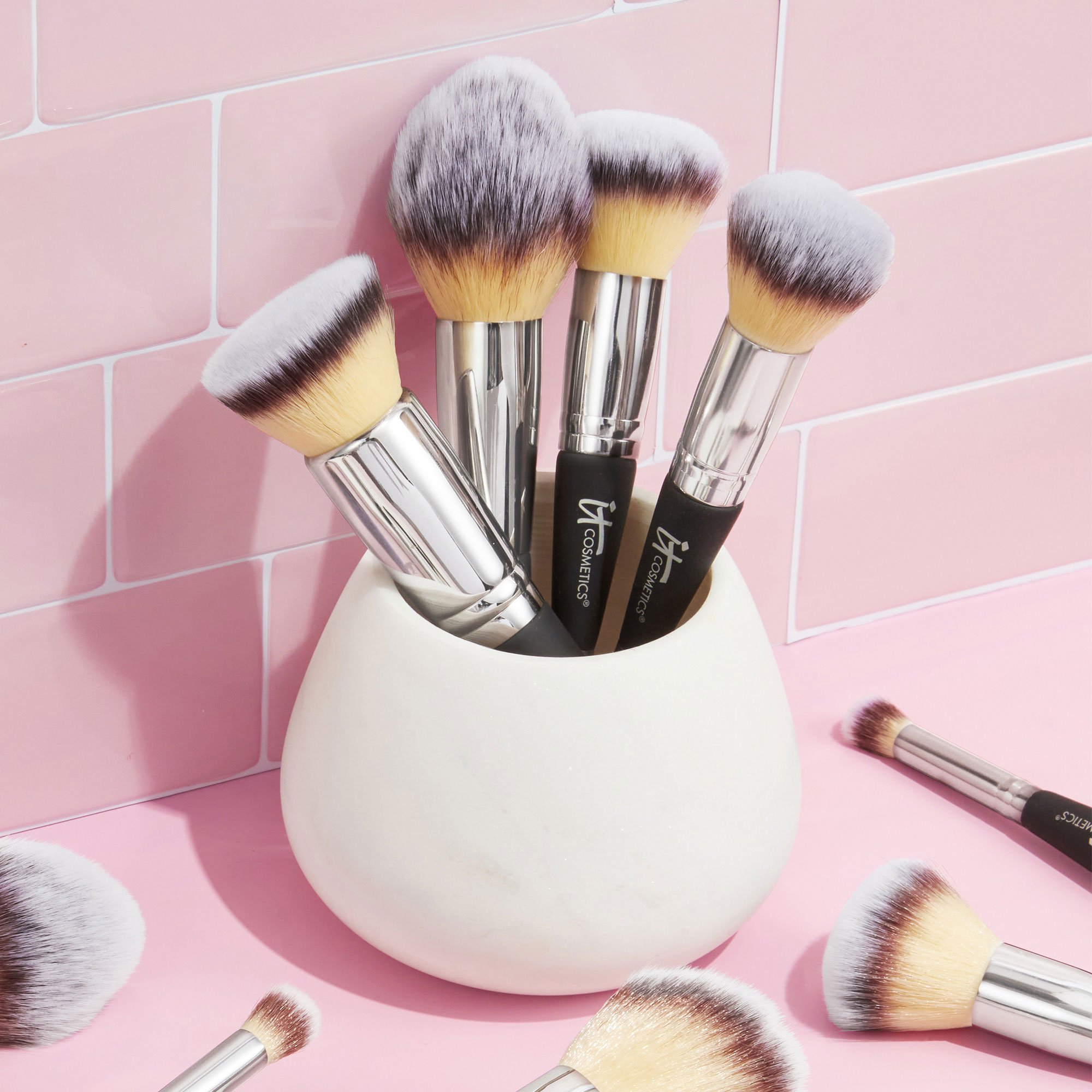
Credit: www.itcosmetics.com
The Lifespan Of Makeup Brushes
Understanding the lifespan of makeup brushes is vital. These tools are essential for flawless makeup application. Like any other tool, they wear out over time. Brushes may last anywhere from a few months to several years. This depends on various factors. Quality, usage, and care all play a part in their longevity. It’s crucial to know when it’s time to replace them. Keeping brushes too long can lead to skin irritation or breakouts. A fresh set ensures the best application and skin health.
Factors Influencing Brush Longevity
Different elements affect how long your brushes can last. Let’s explore these factors:
- Material Quality: High-quality brushes tend to last longer.
- Frequency of Use: Daily use can shorten a brush’s life.
- Cleaning Routine: Regular cleaning can extend life.
- Storage Conditions: Proper storage prevents damage.
- Makeup Type: Heavy products may degrade brushes faster.
Signs Of A Makeup Brush’s Demise
Recognizing when to replace your brushes is crucial. Here are signs that it’s time:
- Shedding Bristles: Bristles falling out are a clear sign.
- Shape Loss: When a brush loses its shape, it’s less effective.
- Stiff Bristles: Hard bristles mean it’s time for a new one.
- Odor: A persistent bad smell indicates bacteria build-up.
- Stained Bristles: Permanent stains may harbor bacteria.
Regular inspection of your makeup brushes can save your skin. It also ensures the best makeup application. Replacing brushes when needed is a small investment. It has a big impact on your makeup routine.
Hygiene And Makeup Brushes
Makeup brushes touch your skin almost daily. They pick up oils, dead skin cells, and bacteria. These can cause skin issues if not managed well. Proper hygiene is key to keeping your skin clean and healthy. Let’s dive into the importance of keeping your brushes in top shape and knowing when it’s time for a replacement.
Risks Of Using Old Brushes
Old makeup brushes can be harmful. They may look fine, but they can hide germs and bacteria. Using these brushes can lead to:
- Breakouts from clogged pores
- Skin irritation from old, scratchy bristles
- Infections if used on broken skin
- Uneven makeup application
Brushes with damaged bristles can’t blend makeup well. This can ruin your look. It’s best to replace them before these problems start.
Regular Cleaning For Brush Maintenance
Clean brushes perform better and last longer. Here’s a simple guide for brush cleaning:
- Wash with gentle soap and warm water weekly.
- Rinse until water runs clear.
- Press out excess water with a clean towel.
- Reshape bristles and lay flat to dry.
Deep cleaning depends on use. Do it monthly for personal brushes. For professional use, clean after every client.
Remember, even with regular cleaning, brushes need replacing. Natural hair brushes last 1-3 years. Synthetic brushes may need replacing every 6-12 months. Always inspect your brushes for signs of wear and tear.
Material Matters
Material Matters when it comes to the longevity and performance of your makeup brushes. The type of bristle used in a brush not only influences how it applies makeup but also dictates how long before it’s time for a replacement. Understanding the differences between natural and synthetic bristles can help you make informed decisions about your beauty tools.
Natural Vs. Synthetic Bristles
Natural bristles come from animal hair, such as goat or sable. They’re known for their softness and ability to blend powder products seamlessly. On the other hand, synthetic bristles are man-made from materials like nylon or polyester. They excel with liquid or cream products and are hypoallergenic.
- Natural brushes: Require more care, often more expensive
- Synthetic brushes: Easier to clean, less prone to damage from products
Impact Of Materials On Replacement Frequency
The brush material impacts how often you should replace your makeup brushes. Natural brushes can last years with proper care, but synthetic brushes might need more frequent replacements due to their bristles being less resilient over time.
| Brush Type | Lifespan with Proper Care | Replacement Signs |
|---|---|---|
| Natural Bristles | Several years | Shedding, loss of shape |
| Synthetic Bristles | 1-3 years | Stiffness, bristle splaying |
Keep an eye on your brushes for any tell-tale signs of wear. Replace them to ensure flawless makeup application and maintain skin health.
Credit: www.itcosmetics.com
Professional Insights
Gathering insights from top makeup professionals reveals essential practices for maintaining and replacing makeup brushes. This section dives into the routines and recommendations from industry experts.
Makeup Artists’ Brush Care Routines
Cleaning is crucial for any makeup artist. They often clean their brushes after each use to prevent color mixing and maintain brush health.
- Daily cleaning with brush sprays to remove superficial dirt.
- Deep cleaning weekly using gentle soap and warm water.
This routine helps extend the brushes’ life and ensures optimal performance.
Expert Recommendations For Brush Replacement
Experts suggest that the lifespan of a makeup brush depends on its use and care.
| Type of Brush | Recommended Replacement |
|---|---|
| Foundation Brushes | Every 1-2 years |
| Eye Shadow Brushes | Every 1-2 years |
| Concealer Brushes | Every 12-18 months |
Replace brushes sooner if you notice shedding bristles, shape loss, or odors.
Economic Considerations
Understanding when to replace makeup brushes is vital. It saves money and ensures skin health. Let’s explore the economic side of brush upkeep.
Cost Of Replacing Brushes Vs. Maintenance
Regular cleaning extends brush life. This reduces the need for frequent replacements. Consider the following:
- Brush lifespan: Good care can make brushes last years.
- Cleaning costs: Mild soap and water are often enough.
- Replacement frequency: Poor maintenance means buying new brushes more often.
Compare costs to see what saves more in the long run. Regular maintenance often proves more economical than frequent replacements.
Investing In High-quality Brushes
Higher quality brushes may cost more upfront, but they offer better value. Look at the benefits:
| Quality Brushes | Standard Brushes |
|---|---|
| Longer Lifespan | Replace often |
| Less shedding | More shedding |
| Better application | Uneven makeup |
Invest in high-quality brushes for a better makeup experience and longer-lasting tools. This choice leads to fewer purchases over time.
Environmental Aspects
Thinking about the planet, we must consider the lifespan of makeup brushes. Regular replacement is vital for hygiene. Yet, it raises questions about sustainability and waste. Let’s explore the environmental side of keeping your makeup kit fresh.
Sustainability And Brush Disposal
Makeup brushes don’t last forever. Knowing when to let go is key. Brushes that shed, smell, or have lost shape need replacing. This helps avoid skin irritation. But, it’s not just about skin health. Brush disposal impacts the environment. Traditional brushes often contain plastic and synthetic fibers. These materials take centuries to break down. They add to the growing landfill issues.
- Choose brushes with recyclable materials to minimize waste.
- Look for brands with take-back programs for responsible disposal.
- Consider the packaging as well. Eco-friendly packaging reduces overall waste.
Eco-friendly Brush Alternatives
Opting for eco-friendly brushes is a great step. These alternatives use sustainable materials. Bamboo handles and synthetic bristles are popular. They offer longevity and are kinder to the planet. Eco-friendly brushes often come from companies focused on sustainability. These companies prioritize ethical sourcing and manufacturing processes.
| Eco-friendly Material | Benefits |
|---|---|
| Bamboo | Fast-growing, sustainable |
| Recycled Aluminum | Durable, recyclable |
| Synthetic Bristles | Animal-friendly, less waste |
Remember, eco-friendly brushes can be more durable. With proper care, they can outlast traditional options. This means you’ll replace them less often, reducing waste. It’s a win-win for your makeup routine and the Earth.
Practical Replacement Tips
Knowing when to replace makeup brushes can keep your skin healthy. Old brushes harbor bacteria. This can cause breakouts. Good maintenance extends their life. Yet, all brushes have an expiry date. Read on for tips on when to invest in new brushes.
When To Splurge Or Save On New Brushes
Quality matters with makeup brushes. High-end brushes may last years. They need proper care. Cheap brushes often shed bristles. They can irritate the skin too. Replace these more frequently. Splurge on foundation and powder brushes. Save on trendy or less-used types.
Creating A Brush Replacement Schedule
Create a schedule to track brush life. Consider these factors:
- Usage: Daily use means replace every 3 months.
- Cleaning: Wash weekly to extend lifespan.
- Shedding: Loose bristles mean time for new ones.
- Performance: Poor makeup application is a sign.
Mark your calendar. Set reminders. This keeps your makeup routine safe and effective.
| Brush Type | Replace Every |
|---|---|
| Foundation Brushes | 1-2 years |
| Eye Brushes | 1 year |
| Lip Brushes | 2 years |
:max_bytes(150000):strip_icc()/Stocksy_txpef13296fmli300_Medium_5167680-e60bcc5861ad489fa09fb4e6aa083d3f.jpg)
Credit: www.byrdie.com
Signs You Need A New Brush Set
Makeup brushes touch our skin every day. It’s important to know when they need replacing. Brushes that are old can affect how makeup looks. They can also be bad for the skin. Here are signs that it’s time for a new brush set.
Texture Changes In Bristles
Soft bristles turn rough? That’s a clear sign. Good brushes have soft bristles that glide smoothly. Over time, they can become stiff and scratchy. This change hurts the skin. It also makes makeup look uneven. If bristles shed a lot, this is another sign. It means the brush is falling apart. Don’t wait, replace!
Inconsistent Application Results
Are you noticing streaks or blotches? When brushes get old, they don’t hold makeup well. This leads to patchy application. A new brush applies makeup evenly. It blends products beautifully. If your look isn’t seamless, it might be time for new tools.
Conclusion
Maintaining a flawless makeup application hinges on brush hygiene. Aim to replace them every one to three years. Heed the signs of wear and prioritize your skin’s health. Remember, fresh brushes can elevate your beauty routine and safeguard your complexion.
Embrace timely replacements for optimal results.
