

How to Find the Right Shade of Makeup for Your Skin: Flawless Match!
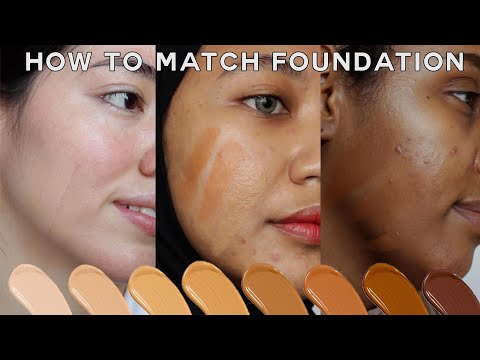
To find the right shade of makeup for your skin, test products on your jawline in natural light. Ensure the makeup blends seamlessly with both your face and neck.
Choosing the perfect makeup shade can be a daunting task, but it’s essential for achieving a natural, flattering look. The key is to identify your skin’s undertone, which can be warm, cool, or neutral. A well-matched foundation should disappear into your skin, without leaving visible lines at the jawline.
This process might involve some trial and error, but taking the time to find your match is worth the effort. Beauty stores often provide testers and samples, allowing you to try before you buy. Remember to always examine the color match in natural lighting, as artificial lights can be misleading. With the right shade, your makeup will enhance your natural beauty and give you the confidence that comes from looking your best.

Credit: www.pinterest.com
Introduction To Makeup And Skin Tones
Choosing the perfect makeup shade can feel like a quest for a holy grail. It’s crucial because the right shade blends seamlessly with your skin. It enhances your natural beauty without overpowering it. Everyone’s skin tone is unique. It ranges from fair to deep, with cool, neutral, or warm undertones. Understanding your skin’s specific tone is the first step to finding makeup that complements you perfectly.
The Importance Of Matching
Finding an exact match for your skin tone does more than boost your confidence. It creates a flawless base for your makeup routine. The right foundation or concealer shade eliminates unevenness and brings out your best features. It should be invisible, merging smoothly with your skin.
Common Challenges In Finding The Right Shade
Discovering the right makeup shade is often tricky. Many encounter limited shade ranges or struggle with changing skin tones due to seasons. Others face confusion between surface tones and undertones. This can lead to makeup that looks too ashy, orange, or simply off.
Here are some challenges you might face:
- Shade options that don’t cater to your skin’s depth or undertone.
- Varying lighting conditions in stores can mislead your choice.
- Makeup oxidation can alter the color after application.
Consider these tips when selecting makeup:
- Test products in natural light for the truest color.
- Swatch shades on your jawline, not your hand, to gauge a match.
- Ask for samples to try at home before making a purchase.
Determining Your Skin Tone
Finding the perfect makeup shade starts with knowing your skin tone. It’s essential for a seamless, natural look. Let’s dive into the basics of identifying your unique skin characteristics.
Identifying Undertones
Undertones are the colors beneath your skin’s surface. They are key to selecting makeup hues. There are three types: cool, warm, and neutral. Cool undertones have hints of blue or pink. Warm undertones show yellow, peach, or golden shades. Neutral undertones are a mix of both.
Natural Light Test
Step outside with a mirror. Natural light reveals your true undertone. Compare your skin with a piece of white paper. If your skin looks pinkish, you’re cool-toned. A yellowish hue suggests a warm tone. Can’t decide? You might be neutral.
Jewelry Test
Another fun way to discover your undertone is the jewelry test. Simply try on silver and gold jewelry. Silver flatters cool undertones. Gold usually looks best on warm tones. Look great in both? You’re likely neutral.
The Color Wheel And Your Skin
Understanding the color wheel can help you pick the best makeup. It shows which colors look good together. This makes choosing makeup easier and more fun.
Complementary Colors For Your Tone
Finding the right makeup starts with knowing your skin tone. Skin tones can be warm, cool, or neutral. The color wheel helps by showing opposite colors. These are called complementary colors.
- Warm skin tones look great with cool colors like blue and green.
- Cool skin tones shine with warm colors like red and yellow.
- For neutral skin tones, most colors work well.
The Role Of Color Theory In Makeup
The color wheel isn’t just for artists. Makeup artists use it too. It helps them pick the best colors for everyone.
Using color theory, makeup artists choose colors that enhance natural beauty. For instance, they might pick a lipstick that makes your skin look brighter.
| Skin Tone | Lipstick Color |
|---|---|
| Warm | Peach or coral |
| Cool | Ruby red or pink |
| Neutral | Nude or rose |
This table shows which lipstick colors can make your face glow.
Remember, the right makeup can make you feel great and look amazing!
Foundation Selection Tips
Choosing the perfect foundation shade can be tricky. Foundation Selection Tips will guide you through the process. The right shade blends seamlessly with your skin tone. It enhances your natural beauty. Follow these steps to find your match.
Testing Before Buying
Always test foundation before purchasing. Apply a small amount along your jawline. Check the color in natural light. The right shade will disappear into your skin. This method ensures a natural look. Try different shades to compare. Select the one that seems invisible on your skin.
When In Doubt, Go Lighter
If you’re stuck between two shades, choose the lighter one. Darker foundations can look unnatural. You can easily warm up a lighter shade with bronzer. It’s better to brighten a foundation than try to lighten a dark one.
Mixing Foundations
Sometimes, a single shade doesn’t match perfectly. Mixing foundations can create a custom color. Use equal parts of two shades. Blend them together. Test the new shade on your skin. Adjust the mix until you find the perfect balance. This technique offers flexibility across seasons.
Concealer And Contouring Essentials
Mastering the art of makeup begins with understanding the basics of concealer and contouring. These tools can enhance your features and hide imperfections. Dive into the world of concealers and contouring to create a flawless look that matches your skin tone perfectly.
Choosing The Right Concealer
The key to a natural look is a concealer that blends seamlessly with your skin. Here’s how to find your match:
- Identify your skin tone: Look at the veins on your wrist. If they are blue, you have cool undertones. Green veins mean warm undertones.
- Test shades: Apply concealer to your jawline. The right shade will disappear on your skin.
- Consider the coverage: Use a heavier concealer for blemishes. A lighter one works well for the under-eye area.
Remember, a good concealer will make you look rested and refreshed.
Contouring For Different Face Shapes
Contouring can sculpt and define your face. Choose techniques that suit your shape:
| Face Shape | Contouring Tips |
|---|---|
| Oval | Lightly contour under your cheekbones and jawline. |
| Round | Contour along the temples and beneath the cheekbones. |
| Square | Soften the jawline and forehead by contouring these areas. |
| Heart | Contour the sides of your forehead and under your chin. |
With these tips, you can enhance your natural features and create the perfect canvas for your makeup.
Blush And Bronzer Hacks
Discovering the perfect blush and bronzer shades can transform your makeup routine. These hacks will ensure your cheeks glow with a natural radiance. Let’s dive into the secrets to finding your ideal colors and applying them like a pro.
Picking Blush For Your Skin
Identify your skin’s undertone by looking at the veins on your wrist. If they’re blue, you have cool undertones. Green veins suggest warm undertones. If it’s hard to tell, you likely have neutral undertones.
- Cool undertones: Opt for blushes with pink or purple hues.
- Warm undertones: Peach or coral blushes will enhance your glow.
- Neutral undertones: Almost any color works, but try muted versions.
Match blush intensity with your skin tone. Light skin thrives with soft pinks. Medium skin pairs well with rich peaches. Dark skin looks stunning with deep fuchsia or berry shades.
Bronzer Application For A Natural Look
For a sun-kissed effect, choose a bronzer one or two shades darker than your skin tone. Matte bronzers create depth, while shimmery formulas reflect light.
- Use a fluffy brush for even distribution.
- Apply bronzer to areas where the sun naturally hits: forehead, cheekbones, and jawline.
- Blend well to avoid harsh lines.
Remember, less is more. Start with a light hand and build up as needed for a believable bronze.
Lipstick And Eye Makeup Harmony
Finding harmony between lipstick and eye makeup is key to a flawless look. The right colors enhance your natural beauty. They make your features pop. Let’s dive into how to balance lip color with your skin tone. Then, we’ll explore eye shadow tips for different eye colors.
Balancing Lip Color With Skin Tone
Choose the right lipstick shade to complement your skin. Here’s how:
- Fair skin: Look for pinks, corals, or beige-toned reds.
- Medium skin: Try rose, mauve, or berry shades.
- Olive skin: Go for caramels, browns, or purples.
- Dark skin: Bold colors like plums, deep reds, or chocolates work best.
Test lipstick on your wrist to see how it looks with your skin. The right shade makes your face bright. It should feel like a perfect match.
Eye Shadow Tips For Different Eye Colors
Eye shadow can make your eye color stand out. Follow these tips:
| Eye Color | Shadow Shades |
|---|---|
| Blue Eyes | Warm browns, peaches, or terracotta |
| Green Eyes | Purple, mauve, or rust |
| Brown Eyes | Blues, greens, or even a bold gold |
| Hazel Eyes | Earthy tones, golds, or greens |
Consider your eye shape and size too. Use lighter shades to open up the eyes. Use darker shades to add depth. Blend well for a seamless finish.
Adapting To Skin Tone Changes
Welcome to the ever-evolving world of makeup and skincare! Understanding that your skin tone can change is key to always having the perfect shade of makeup. These changes may happen due to seasons or as we age. Let’s dive into how to adapt your makeup to these changes effectively.
Seasonal Tone Shifts
As seasons change, so does your skin. Sun exposure in summer can lead to a darker complexion, while winter may lighten your skin. Here’s how to adjust:
- Summer: Opt for a foundation one shade darker to match your tan.
- Winter: Use a lighter shade to align with your skin’s paler tone.
- Transitional periods: Blend two shades to create the perfect match.
Age-related Changes And Makeup
As we age, our skin naturally changes. These changes affect the makeup shades we should choose. Keep these tips in mind:
| Age Range | Makeup Tips |
|---|---|
| 20s to 30s | Continue with vibrant shades; skin is still stable in tone. |
| 40s to 50s | Switch to softer shades; skin may begin to lose some natural color. |
| 60s and above | Consider more moisturizing products; embrace warmer tones. |
Remember, regular skin check-ups help track these changes. Always test makeup under natural light for the best match. Embrace your skin’s natural journey and adapt your makeup routine accordingly!
Professional Advice And Resources
Finding the perfect makeup shade can be tricky. Skin tones vary greatly, and what works for one person might not work for another. That’s why seeking professional advice and using the right resources is essential. Let’s explore how makeup artist consultations and innovative online tools can help you discover your ideal makeup match.
Makeup Artist Consultations
Personalized guidance from a professional makeup artist can be invaluable. They assess your skin’s undertones and provide tailored recommendations. Here’s how to get the most out of a consultation:
- Book an appointment at a beauty counter or salon.
- Ask questions about the products that best suit your skin.
- Request samples to test different shades at home.
Artists often use a mix of shades to achieve the perfect match. This insight can help you blend products for a flawless finish.
Online Tools And Apps
Technology now offers smart solutions for finding your makeup shade. Here are some online tools and apps to try:
- Virtual try-on apps let you see how products look on your skin.
- Shade matching tools compare your skin with a database of shades.
- Color quiz helps determine the right products based on your features.
Many brands offer these tools on their websites. They make shopping for makeup fun and interactive.

Credit: www.pinterest.com
Conclusion: Embracing Your Unique Beauty
Finding the right makeup shade is a journey to celebrate your unique beauty. This journey boosts confidence and allows for personal expression. Let’s explore final thoughts on achieving this.
Confidence In Your Shade
Choosing the right makeup shade is about feeling good in your skin. It’s important to trust your instincts and choose colors that make you feel beautiful. Remember, the right shade enhances your natural beauty and builds your confidence.
Continuous Learning And Experimentation
Beauty routines are not static; they evolve. Embrace the process of learning and trying new things. Each attempt teaches you more about what works best for your unique skin tone. Here’s a simple guide to keep experimenting:
- Test new shades in natural lighting.
- Seek feedback from trusted friends or beauty experts.
- Keep track of shades that complement your skin well.
Remember, finding your perfect makeup shade is a fun exploration of what makes you uniquely beautiful. Enjoy the process and wear your makeup with pride!
Credit: www.youtube.com
Conclusion
Selecting the perfect makeup shade is essential for enhancing your natural beauty. Experiment with different colors and undertones to see what complements your skin best. Remember, the right foundation or concealer can boost your confidence and highlight your features. So, take your time, test samples, and find your ideal match.
Happy makeup hunting!
