

What are the Limitations of Media And Special Effects Makeup: Unveiled Realities
Media and special effects makeup face limitations in durability and realism under high-definition scrutiny. Cost and time constraints also pose significant challenges.
Special effects makeup has revolutionized the entertainment industry, enabling the creation of stunning visuals that captivate audiences worldwide. These techniques allow makeup artists to transform actors into almost any character or creature imaginable, from the fantastical to the grotesque. Despite its impressive capabilities, this art form comes with inherent limitations that can affect the final product.
Artists often grapple with the delicate balance between achieving a high level of detail and the makeup’s ability to withstand the rigors of a film or theater production. The intricate work required is not only time-consuming but also demands a substantial budget, often restricting its use to productions with ample resources. Moreover, the advent of high-definition cameras has increased the challenge of maintaining the illusion of reality, as every detail is captured with unprecedented clarity.
Introduction To Media Makeup
Media makeup is the art that transforms actors into characters. Artists use makeup to create illusions and bring stories to life. This technique is vital in movies, theater, and television.
The Role Of Makeup In Storytelling
Makeup is a powerful tool in storytelling. It helps us believe the character is real. Makeup artists use their skills to age an actor, create wounds, or even turn them into a fantasy creature.
- Character Development: Makeup reflects a character’s journey.
- Emotional Impact: It enhances the emotional response from the audience.
- Setting the Tone: Makeup sets the visual style of the story.
Evolution Of Special Effects Makeup
The world of special effects makeup has changed a lot. It started with simple techniques. Now, it uses advanced technology.
| Period | Techniques Used | Innovations |
|---|---|---|
| Early Cinema | Greasepaint | Basic Prosthetics |
| Mid-1900s | Latex | Color Makeup |
| Modern Day | Silicone, CGI | 3D Printing, Digital Makeup |

Credit: www.coursehero.com
Expectation Vs. Reality
The world of media and special effects makeup sets high expectations. Bright screens show us flawless images. But behind those images, reality tells a different story. Let’s uncover the truth behind the magic of movie makeup and the real-world challenges artists face.
Cinematic Magic Through The Lens
On the big screen, makeup seems to defy limits. Characters transform before our eyes. Aliens come to life. Historic figures return to the present. All this is possible through the lens of a camera.
- High-definition cameras capture every detail.
- Lighting sets the mood and enhances makeup effects.
- Post-production can fix or improve any makeup on screen.
On-set Limitations And Practical Challenges
Yet, off-screen, the reality is more complex. Time constraints and budget limits shape what makeup artists can achieve. Weather, actor’s skin, and even gravity play a role. Here’s a glance at the challenges:
| Challenge | Impact |
|---|---|
| Time Pressure | Less time for detail |
| Budget Cuts | Quality may suffer |
| Weather Conditions | Makeup may not hold up |
| Skin Reactions | Safety becomes a priority |
| Physical Wear | Makeup must be touched up often |
Every film set faces these hurdles. Yet skilled artists still create stunning visual stories. They blend talent and technique to overcome obstacles. And so, the show goes on, weaving the illusion of perfection that audiences love.
Technical Constraints
Technical Constraints in media and special effects makeup can make artists’ jobs tough. Even the most skilled professionals face hurdles that affect their work’s quality and durability.
Materials And Durability Issues
Choosing the right materials is crucial for makeup artists. The makeup must last for hours under harsh lights and different weather conditions. Here’s a quick look at common issues:
- Wear and Tear: Makeup can smudge or fade, requiring frequent touch-ups.
- Sensitivity Reactions: Some materials may cause allergic reactions, limiting usage.
- Cost: High-quality materials are expensive, impacting budget.
Durability is key. Artists often use sealers to protect the makeup, but these can alter the look.
Complexities Of Makeup Application
Applying special effects makeup is not just about creativity. It involves intricate steps that can be time-consuming and require precision. Here are the main complexities:
- Time Constraints: Detailed makeup can take hours to apply.
- Skill Level: Each effect needs specific techniques and expertise.
- Tools: Special brushes and tools are necessary for precise application.
To manage these challenges, makeup artists must plan thoroughly and practice regularly.
Budgetary Boundaries
Creating magic on screen often hits a wall called budget. Special effects makeup can transform actors into fantastical creatures. Yet, this transformation comes at a cost. Let’s explore the financial hurdles that production teams face.
Cost Implications Of High-quality Effects
Top-tier media makeup isn’t cheap. The finest materials and skilled artists demand high prices. Productions must budget for:
- Materials: Silicone, latex, and prosthetics add up.
- Tools: Brushes, airbrushes, and sculpting tools are essential.
- Labor: Hours of meticulous work by experienced artists.
These costs can skyrocket, especially for long shoots or complex designs.
Economic Cuts And Creative Compromises
Tight budgets lead to tough choices. Productions might:
- Use less expensive materials that might not last as long.
- Cut back on character details to save on time and resources.
- Opt for digital effects in post-production, which can be cheaper.
These compromises can impact the final look, affecting the audience’s experience.
Time Factors
The magic of media and special effects makeup transforms actors into fantastical characters. Yet, it’s a process bound by the ticking clock. Time factors play a crucial role at every stage. They range from preparation to the endurance of makeup during shoots. Understanding these time-sensitive aspects reveals the artistry and challenges faced by makeup professionals.
Preparation And Application Time
Special effects makeup requires meticulous planning and execution. Artists spend hours designing looks that align with a character’s role. Once the design phase is complete, application time is the next hurdle. This stage is not a sprint; it’s a marathon. Elaborate makeup may need several hours to apply. Artists work swiftly yet carefully to bring visions to life.
- Design phase: Conceptualization and sketching.
- Creation: Crafting prosthetics and testing materials.
- Application: Detailed painting and fitting on set.
Wear And Maintenance During Shoots
Once the makeup is on, the battle against time continues. Special effects makeup must withstand the rigors of a film set. Lights, action, and climate test its resilience. Makeup artists remain on standby to address any wear and tear. They work swiftly to maintain the integrity of the makeup. This ensures continuity and quality of the character’s appearance on screen.
| Challenge | Response |
|---|---|
| Lights heating up makeup | Regular touch-ups |
| Long shooting hours | Damage control and fixes |
| Changing weather | Adapting makeup to conditions |
Physical And Health Considerations
Physical and Health Considerations in media and special effects makeup are crucial for both artists and actors. While the transformation can be stunning, it’s essential to recognize the potential risks involved. Understanding these risks helps in taking proactive measures for safety and health.
Skin Reactions And Allergies
Special effects makeup often involves a variety of materials. These materials can cause skin reactions or allergies. Symptoms may include redness, itching, and swelling.
- Patch tests can identify potential allergens.
- High-quality products reduce the risk of reactions.
- Professional removal is crucial to prevent skin damage.
Long-term Health Implications For Artists And Actors
Long hours in makeup can affect skin health. Breathing in makeup particles is also a concern.
| Concern | Precaution | Benefit |
|---|---|---|
| Skin Irritation | Moisturizers | Protects skin barrier |
| Respiratory Issues | Ventilated Spaces | Ensures clean air intake |
| Eye Infections | Hygienic Practices | Prevents contamination |
Consistent exposure to certain chemicals can pose health risks. It is vital for artists and actors to take regular breaks. They should also use protective gear. This will help minimize the dangers of long-term exposure.
Technological Advancements
The world of media and special effects makeup has dramatically transformed. Technological advancements now offer new realms of possibility. Yet, they come with their own set of challenges.
Cgi And Digital Makeup Revolution
Computer-Generated Imagery (CGI) and digital makeup have revolutionized the film and television industry. Artists now create looks that were once impossible. This magic blends real-world makeup with digital enhancements.
- Breathtaking fantasy characters
- Seamless age transformations
- Invisible injury recreations
Limitations Of Digital Integration
Despite the growth in CGI, limitations exist. Digital integration can be cost-prohibitive. It requires highly skilled technicians and sophisticated equipment.
| Limitation | Impact |
|---|---|
| High Costs | Limits small studios |
| Technical Skill | Requires expert artists |
| Time Consumption | Delays in production |
Real makeup effects still play a crucial role. They complement digital efforts and maintain authenticity. The synergy between traditional makeup and digital effects is essential for realistic portrayals.
Artistic Challenges
Artistic Challenges in media and special effects makeup can transform a story, adding depth and realism to characters. Yet, these creative endeavors come with limitations that artists must navigate to deliver believable and impactful visual storytelling.
Maintaining Authenticity In Character Design
Creating a character that resonates with audiences while staying true to the narrative is a delicate balance. Makeup artists face the challenge of designing looks that reflect a character’s background, personality, and the story’s setting. Achieving this level of authenticity requires a deep understanding of various factors:
- Cultural and historical accuracy: Ensuring the makeup reflects the time period or culture represented.
- Anatomical consistency: Keeping true to the biological aspects of a character, especially in fantasy or sci-fi genres.
- Continuity in storytelling: Maintaining the character’s look throughout different scenes and over time.
Overcoming Audience Desensitization
In a world saturated with visual effects, audiences have become more discerning. The wow factor from special effects makeup faces diminishing returns as viewers grow accustomed to high levels of realism and spectacle. Artists must push boundaries to captivate and surprise audiences, often through:
- Introducing innovative techniques and materials.
- Focusing on subtle details that create a deeper connection.
- Blending practical effects with digital enhancements for a seamless experience.
The Future Of Makeup Effects
As we delve into the future of makeup effects, stunning transformations continue to captivate audiences. Yet, this industry faces its own set of challenges. Advances in technology and new material discoveries are reshaping what’s possible. Artists and enthusiasts alike eagerly anticipate the novel ways in which these changes will enhance storytelling and character creation.
Emerging Trends And Materials
Innovation drives the makeup effects industry. New materials offer unprecedented possibilities. Below are some emerging trends:
- 3D Printing: Custom prosthetics designed with precision.
- Silicone Enhancements: More lifelike and flexible applications.
- Bio-friendly Materials: Reducing environmental impact.
These materials create effects once deemed impossible. They push the boundaries of creativity, allowing for more nuanced and realistic portrayals.
Educational And Career Impacts
The industry’s growth creates a ripple effect on education and careers. Prospects for aspiring artists are brighter than ever. Here’s how:
| Aspect | Impact |
|---|---|
| Curriculum Development | New courses emerge focusing on modern techniques. |
| Job Opportunities | Expansion in film, television, and theater. |
| Technical Skills | Higher demand for artists skilled in advanced technologies. |
Education evolves to include cutting-edge methods, preparing artists for a competitive marketplace. With diverse career paths, individuals can explore various sectors within the makeup effects realm.

Credit: www.coursehero.com
Conclusion: The Balancing Act
The world of media and special effects makeup is a complex one. It requires a fine balance. Makeup artists must blend realism with creativity. This balance ensures the makeup serves the story without overpowering it.
Embracing Imperfections
Perfect makeup isn’t always the goal. In fact, flaws can add depth to characters. They make characters more relatable and real. A scar or a wrinkle can tell a story of its own. Makeup artists must recognize when to highlight imperfections. This approach can enhance the narrative and connect better with the audience.
The Continuing Evolution Of Media Makeup
Media makeup is always changing. New technologies are introduced regularly. These advancements can create more realistic and intricate effects. Yet, artists must stay updated with these innovations. They must also understand their tools deeply to utilize them effectively.
For example, the use of prosthetics has evolved. Early prosthetics were noticeable and less life-like. Today, they are incredibly realistic, offering a seamless look. This evolution is a double-edged sword. It provides more tools but also demands more skill.
In summary, media and special effects makeup is about balance and evolution. It’s about using imperfections to tell a human story. It’s also about keeping up with technological advances to remain relevant and effective in the industry.
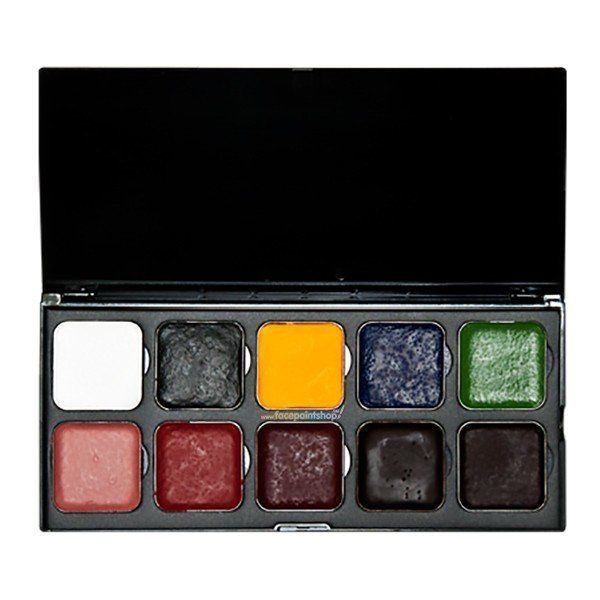
Credit: www.facepaintshop.eu
Conclusion
Exploring the limits of media and special effects makeup reveals significant challenges. While artistic possibilities seem boundless, technical and ethical constraints persist. Skill limitations and budget constraints often restrict creativity. Recognizing these hurdles is crucial for professionals aiming to innovate and excel in this dynamic field.

