

Do You Consider Artificial Beauty to Still Be Beauty? Unveiling the Power and Perception
Artificial beauty is still considered beauty, but authenticity holds its own unique appeal. In today’s modern world, the definition of beauty has expanded to include various forms and styles.
The debate over artificial beauty often centers on the perception of natural versus enhanced features. While some argue that cosmetic enhancements detract from true beauty, others see it as a form of self-expression and empowerment. With the rise of social media and digital filters, the lines between authenticity and artificiality have blurred.
In this context, what truly matters is embracing individuality and self-confidence, ultimately redefining beauty standards for the better.
The Concept Of Artificial Beauty
In today’s society, the concept of artificial beauty raises important questions about our perception of what true beauty entails. Whether we consider artificial enhancements as a form of beauty is a topic that sparks debates and reflection.
Defining Artificial Beauty
Artificial beauty encompasses enhancements or alterations made to one’s physical appearance using various cosmetic procedures or products. This includes makeup, hair dye, cosmetic surgery, and other techniques to modify one’s natural features.
Evolution Of Beauty Standards
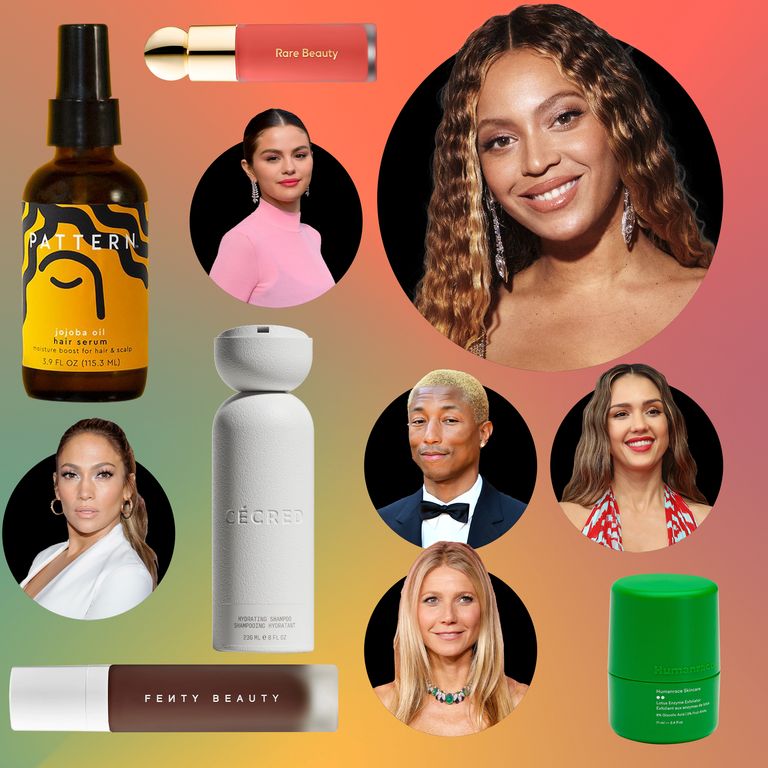
Beauty standards have evolved over time, shifting from natural beauty ideals to accepting artificial enhancements as part of the beauty landscape. The media plays a significant role in shaping these perceptions and influencing societal expectations.
Credit: www.thecut.com
Perception Of Artificial Beauty
Traditional media has long dictated beauty standards, influencing how individuals perceive beauty.
Advertisements, movies, and magazines often portray artificial beauty as the ideal, shaping societal norms.
Social media platforms, coupled with photo-editing filters, have revolutionized beauty standards.
Unrealistic beauty portrayals on social media can blur the line between reality and fiction.
Impact On Self-esteem
When it comes to the impact of artificial beauty on self-esteem, it’s crucial to consider the psychological effects and the development of body dysmorphia. The constant exposure to idealized images of beauty can significantly impact an individual’s self-perception and confidence.
Psychological Effects
The influence of artificial beauty on self-esteem encompasses a range of psychological effects. Exposure to unrealistic beauty standards can lead to feelings of inadequacy and low self-worth among individuals. This pressure to conform to an unattainable ideal can contribute to anxiety and depression, affecting overall mental well-being. The perpetual comparison to artificially enhanced images can erode an individual’s self-esteem, creating a distorted perception of beauty and self-image.
Body Dysmorphia
The perpetuation of artificial beauty can exacerbate the development of body dysmorphia, which is characterized by an obsessive preoccupation with perceived flaws in physical appearance. Individuals may become fixated on altering their appearance to meet these unattainable standards, leading to detrimental effects on their mental health and self-esteem. The relentless pursuit of attaining artificial beauty ideals can reinforce feelings of inadequacy and perpetuate a negative self-image, perpetuating a cycle of dissatisfaction and distress.
Ethical Considerations
Artificial beauty raises ethical considerations as it challenges the concept of beauty. Is artificially enhanced beauty still considered authentic beauty? This topic prompts an exploration of ethics in the realm of appearance.
Societal Pressure
One of the key ethical considerations of artificial beauty is the societal pressure that drives individuals to alter their appearance. Society has always placed a strong emphasis on physical attractiveness, and this pressure has only been magnified by the rise of social media and the constant exposure to images of “perfect” bodies and faces. Individuals are bombarded with unrealistic beauty standards, leading them to feel inadequate and pushing them towards cosmetic procedures as a means of conforming to these ideals.
These societal expectations can have serious consequences on individuals’ mental and emotional well-being. Research has shown that the pursuit of an impossible standard of beauty can lead to low self-esteem, body dysmorphic disorder, and even depression. The pressure to conform to a certain look can be overwhelming, leaving individuals feeling trapped in a never-ending cycle of insecurity and the desire to meet society’s expectations.
Informed Consent In Cosmetic Procedures
Another significant ethical consideration in the realm of artificial beauty is the issue of informed consent in cosmetic procedures. Cosmetic procedures, whether surgical or non-surgical, carry risks and potential complications that individuals need to be aware of before making a decision. Informed consent ensures that individuals understand the nature of the procedure, its possible outcomes, and the potential risks involved.
It is crucial for individuals considering cosmetic procedures to receive accurate and unbiased information about the benefits, risks, and alternatives available to them. It is the responsibility of healthcare professionals and providers to ensure that individuals are fully informed about the potential consequences of their choices and have realistic expectations about the outcomes.
Furthermore, the concept of informed consent also extends to the notion of coercion. It is important to ensure that individuals are making their decisions freely and without any form of pressure or manipulation from others. This includes not only societal pressure but also the influence of friends, family, or partners who may have their own motives for wanting an individual to undergo cosmetic procedures.
Cultural And Historical Perspectives
Artificial beauty, though admired by many, raises the question of what truly constitutes beauty from a cultural and historical perspective. Is it the natural or the enhanced? Delve into this thought-provoking debate.
Beauty is a concept that has been shaped by cultural and historical perspectives throughout the ages. Different cultures have varied definitions of beauty, often influenced by factors such as geography, religion, and societal norms. Similarly, beauty ideals have evolved over time, reflecting the changing values and ideals of each historical era.Beauty In Different Cultures
Beauty varies across cultures, with each society having its own unique standards and preferences. For example, in many Western cultures, a slim and toned physique is often regarded as the epitome of beauty. On the other hand, some African cultures celebrate fuller figures, associating them with fertility and prosperity. In Japan, the concept of beauty revolves around a delicate and porcelain-like complexion, while in India, a fair and flawless skin tone has long been revered. In contrast, in certain African and Caribbean cultures, darker skin tones are celebrated, symbolizing beauty, strength, and heritage. These diverse cultural ideals of beauty demonstrate the rich tapestry of human perception and appreciation of aesthetics.Historical Trends In Beauty Ideals
Throughout history, beauty ideals have undergone substantial transformations. In ancient Egypt, for instance, beauty was synonymous with a youthful appearance and symmetrical features. This can be observed in the elaborate hairstyles and makeup techniques used by both men and women of that time. During the Renaissance period, painters like Leonardo da Vinci celebrated the concept of ideal beauty, emphasizing harmonious proportions and balanced features in their artwork. This influence permeated society, with women pursuing pale complexions and adorning themselves with corsets to achieve an hourglass figure. Fast forward to the 20th century, and changing societal norms brought new beauty standards. The 1920s saw the emergence of the “flapper” look, characterized by a boyish figure and a liberated attitude towards makeup and fashion. In contrast, the 1950s embraced a more feminine and curvaceous aesthetic, epitomized by iconic figures like Marilyn Monroe. In modern times, beauty standards have become more inclusive and diverse, aiming to represent people of all races, shapes, and sizes. The rise of social media and body positivity movements has challenged traditional beauty ideals, promoting self-acceptance and embracing individuality. To conclude, cultural and historical perspectives play a significant role in shaping our understanding of beauty. As our society becomes more interconnected, it is essential to celebrate the diverse expressions of beauty and challenge narrow definitions. Ultimately, beauty is subjective and should be appreciated in all its forms.Artificial Beauty In The Workplace
Artificial beauty in the workplace is a topic that has sparked numerous discussions and debates. With the increasing emphasis on physical appearances, the question arises: Do you consider artificial beauty to still be beauty? This is especially relevant in professional settings where one’s image is often scrutinized. Let’s delve deeper into the impact of artificial beauty in the workplace.
Professional Image
A professional image has long been associated with competence and credibility in the workplace. However, the definition of professional appearance has evolved to include artificial beauty enhancements such as cosmetic procedures and elaborate grooming. These modifications can be contentious as they may blur the lines between a professional image and personal preferences.
Discrimination Based On Appearance
Discrimination based on appearance is a pressing issue that arises from the prevalence of artificial beauty in the workplace. Individuals who do not conform to societal standards of beauty may face discrimination, affecting their career prospects and overall well-being. This brings to light the societal pressure imposed on individuals to adhere to artificial beauty norms in the professional sphere.
Redefining Beauty Standards
In today’s society, the concept of beauty is undergoing a transformative shift, where artificial enhancements are becoming more prevalent. Amidst this evolving landscape, it’s crucial to delve into the conversation about redefining beauty standards.
Celebrating Diversity
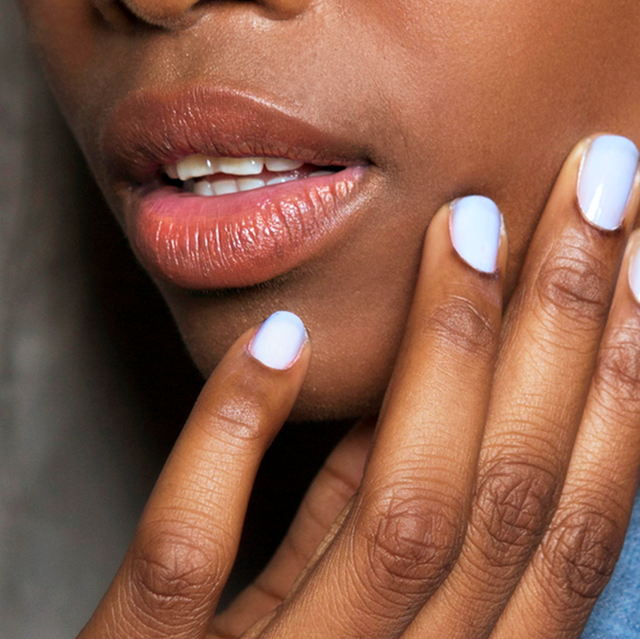
Embracing diversity in beauty allows for a more inclusive representation of individuals from various backgrounds and cultures. By recognizing and celebrating unique features, we challenge traditional norms and promote a more inclusive standard of beauty.
Promoting Authenticity
Authenticity in beauty emphasizes the importance of embracing one’s natural self, free from unnecessary alterations. Promoting authenticity fosters a sense of self-acceptance and encourages individuals to feel confident in their own skin.
Credit: www.cosmopolitan.com
Credit: www.harpersbazaar.com
Conclusion
In the end, beauty is subjective and can vary from person to person. What matters most is self-acceptance and feeling confident in your own skin. Whether natural or altered, beauty comes in many forms and should be celebrated. Embracing diversity and individuality can redefine the standards of beauty in our society.

